This report was originally produced and published by Safe Park Indy. Below is a bit of background on the program from founder, Elizabeth Friedland.
We’re excited to share that after a pause to thoughtfully re-engineer our model, Safe Park Indy has officially relaunched and will begin welcoming homeless Hoosiers living in their vehicles on June 1.
During our pilot year, we demonstrated that safe parking — an emergency homelessness intervention new to Indiana — can work. Demand was overwhelming, with our waitlist consistently exceeding 400 individuals. Just as importantly, the program proved to be exceptionally safe for clients, site hosts, and surrounding communities. Over the course of the year, we did not experience a single safety incident.
We also gathered the first known data on vehicular homelessness in Indiana—insights that challenge many common assumptions about who experiences homelessness and why.
Our intake form is now live on our website, and our centrally located lot near downtown Indianapolis will open to approved clients on June 1.
We invite you to visit our website to learn more about what we’ve built—explore pilot-year insights, review client data, read FAQs, and find ways to get involved.
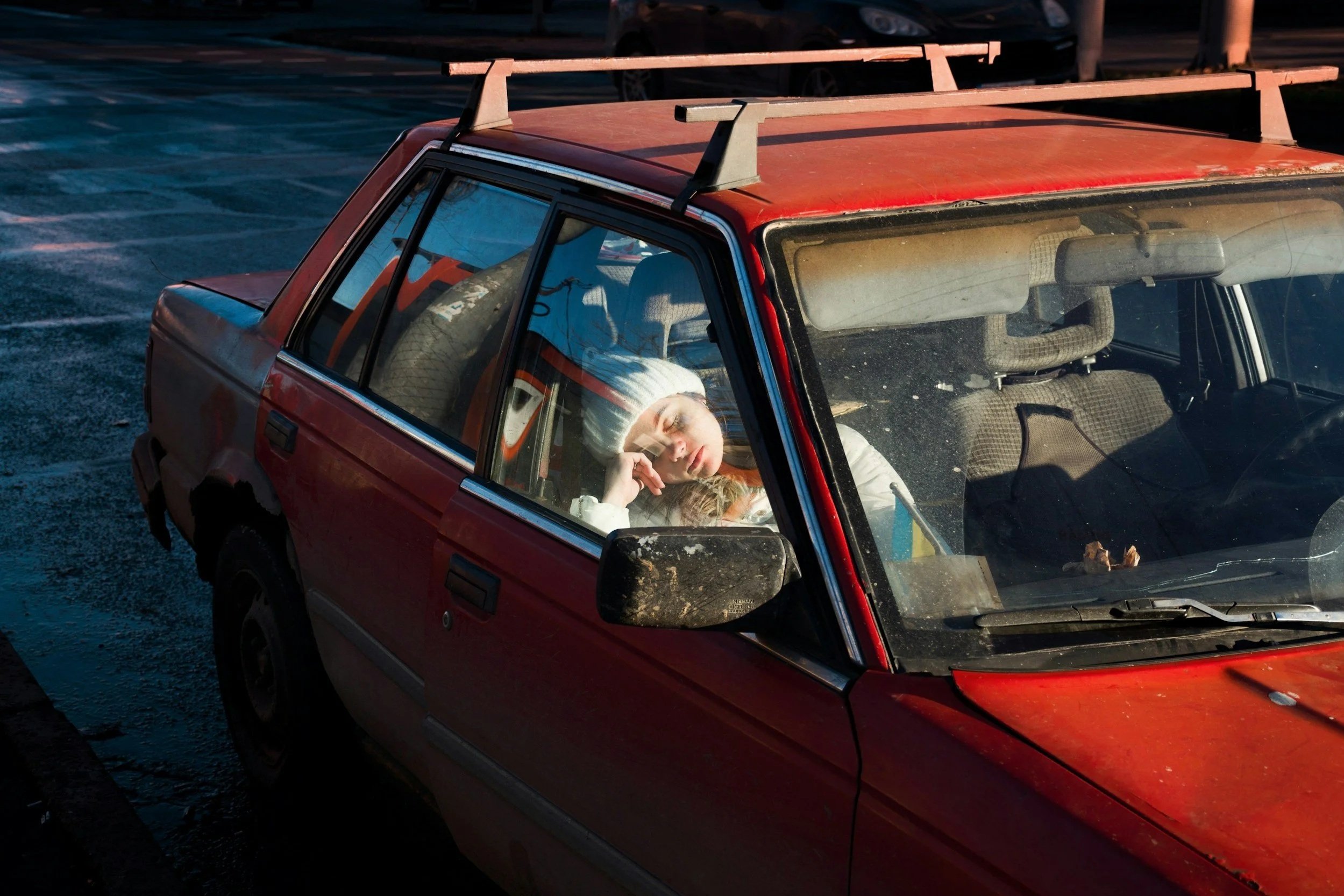
Homelessness often begins quietly – in cars, motels, or crowded homes — long before people appear on the streets. Safe Park Indy’s client demographic data shows that our organization catches people at a critical first moment in their homelessness trajectory, positioning us uniquely to prevent first-time homelessness from escalating into chronic crisis. Safe Park Indy is not just a place to park overnight — it is a vital early intervention.
A review of 475 program applicants reveals a population often invisible to other social services — and to the public:
63% are experiencing homelessness for the first time
61% had never reached out to any other social service organization
42% were staying with friends or family before seeking help
Only 10% of applicants were living on the streets or in a homeless shelter. This means the vast majority were invisibly homeless — unseen by society, unreached by social service agencies, and uncounted from Point-in-Time counts that shape budgets for homelessness services.
Employment and education alone are not enough to prevent homelessness:
45% are employed, with over half of this group working two or more jobs
50% have attended some college or earned a degree
Applicants worked a wide variety of jobs, from retail and food service and construction to professions we don’t typically associate with homelessness, including social workers, teachers, medical professionals and therapists.
Yet, 68% receive no public assistance, highlighting significant barriers in access, eligibility, or awareness. Safe Park Indy is often the first point of contact for people entering the world of homelessness — individuals who society would otherwise overlook as “at risk.”
The program also serves populations frequently excluded from other services. For instance, 24% of applicants have pets. None of the major homeless shelters in Indianapolis accept pets, meaning many individuals are forced to remain unsheltered simply because they cannot leave their animals behind. Safe Park Indy fills this critical gap, providing safe, dignified support when traditional services cannot.
By reaching people early, Safe Park Indy prevents hidden homelessness from becoming a long-term crisis, preserving stability, safety, and dignity — and demonstrating why this program is an essential part of Indianapolis’s response to housing insecurity.
Demographic Data*
Basic info:
Average age: 40
56% female, 41% male, 3% nonbinary
50% white, 28% Black, 4% Hispanic/Latino, 2% Asian (The remaining multi-racial or did not respond.)
8% are veterans
Highest level of education:
6.6% didn’t graduate high school or earn a GED
43% earned a high school diploma
5% attended a trade or technical school
29% attended some college
7% earned an undergraduate degree
5% earned a graduate degree
Before living in their car, clients lived:
with friends or family (42%)
in their own home, rented (28%)
in a hotel or motel (13%)
on the streets (6%)
in a homeless shelter (4%)
in their own home, owned (3%)
in a prison, jail, recovery center or halfway house (3%)
Employment:
45% are working. 54% of this group reported working two or more jobs
42% are unemployed and looking for work
13% are not working and not looking for work due to disability, age, caretaking responsibilities or other reasons
Other characteristics:
24% had pets with them
66% had no criminal record/history
68% receive no public assistance of any kind
63% are experiencing homelessness for the first time
61% have not reached out to any other social service organizations for help
19% are domestic violence survivors
*Some percentages may not total 100% due to non-responses. In addition, some categories allowed multiple selections, so totals for these items may exceed 100%.