Voters in States and Cities Get It: Workers Deserve a Living Wage
This piece originally appeared on Fran Quigley’s Substack We Can Do Better: Ending Poverty in Our Time on Aug 14, 2026
Many of the people we see in eviction court losing their homes are working long hours at difficult jobs. But they work in retail, the home healthcare sector, in food service work, etc.--where their employers do not pay them wages high enough to keep their families housed.
So that is why, for this week’s episode of We Can Do Better, we welcome David Cooper of the Economic Policy Institute. EPI is a nonprofit, nonpartisan think tank working for the last 30 years to counter rising inequality, low wages and weak benefits for working people.
The national minimum wage is stagnant at a shameful sub-living wage of $7.25 per hour. But, as David tells us, dozens of states and localities are not waiting for Congress any longer. They are raising the wage themselves, including many this year alone. Among the 30 states with higher wages are several “red” states, reflecting the strong bipartisan public support for living wages for all workers.
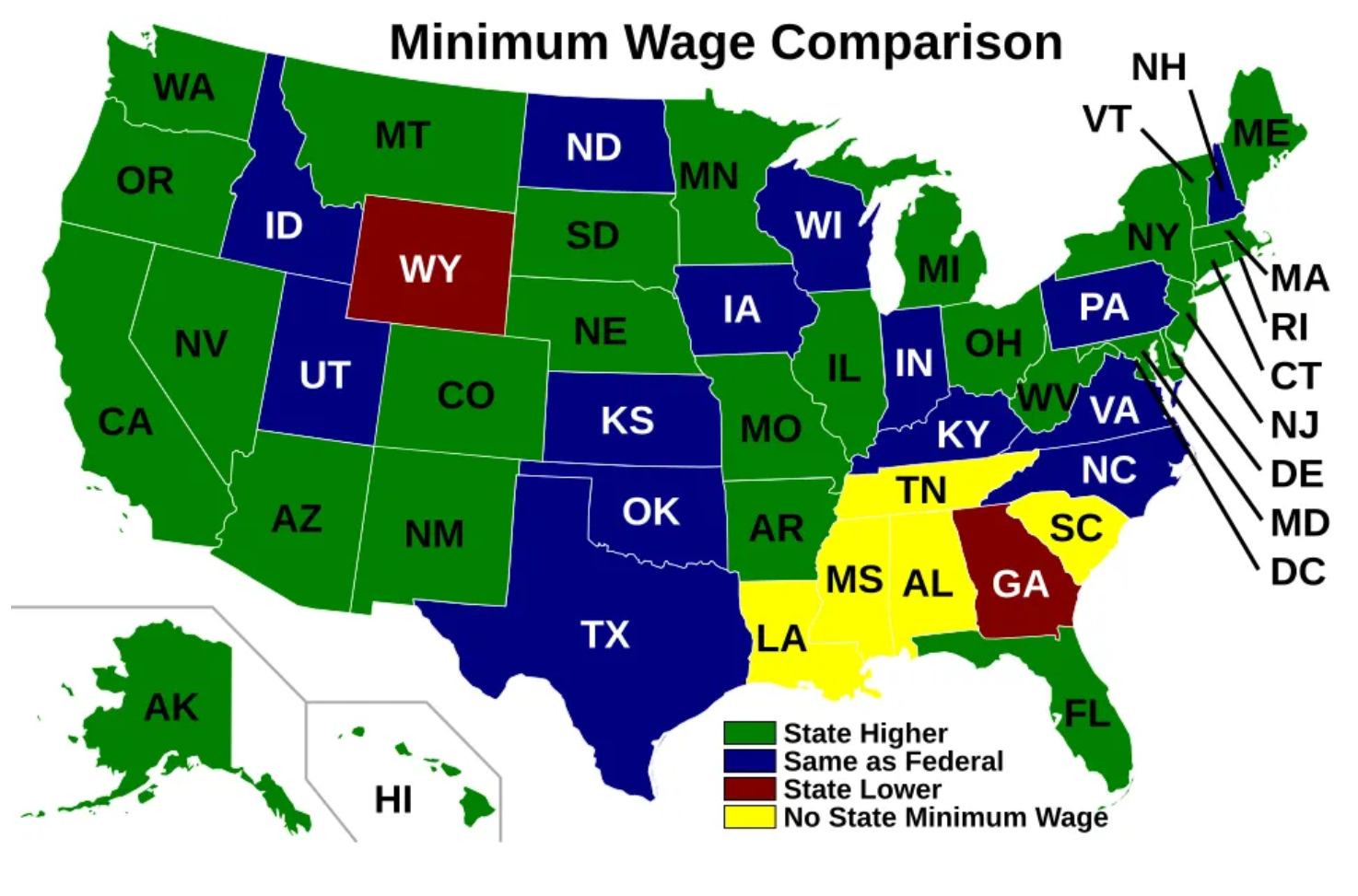
Image from Wikimedia Commons
David shares with us the reams of evidence countering the false claims that increased wages lead to widespread jobs losses and sharply higher prices. We also discuss the ripple effects of higher minimum wages on public health and safety, including protecting our clients and many others from domestic violence.
David also explains why President Trump’s no taxes on tips/overtime changes are “gimmicks,” filled with false promises that usually do not meaningfully help those workers.
What would help those workers? A legal guarantee that their hard work meets the needs of their households for rent, utility, food, and other necessities. What they need is a long-overdue national minimum wage increase.
You can listen to and/or watch our conversation at our podcast channels on Apple, Spotify, and YouTube. Thank you for reading and listening!
