Can Publicly-Owned Grocery Stores Solve our Affordability Crisis and End Food Deserts, Too?
This week, we welcome to the We Can Do Better show Omar Ocampo, a researcher with the Institute for Policy Studies. Omar tells us about how publicly-owned grocery stores might be an answer to both our affordability crisis and the tragedy of food deserts.
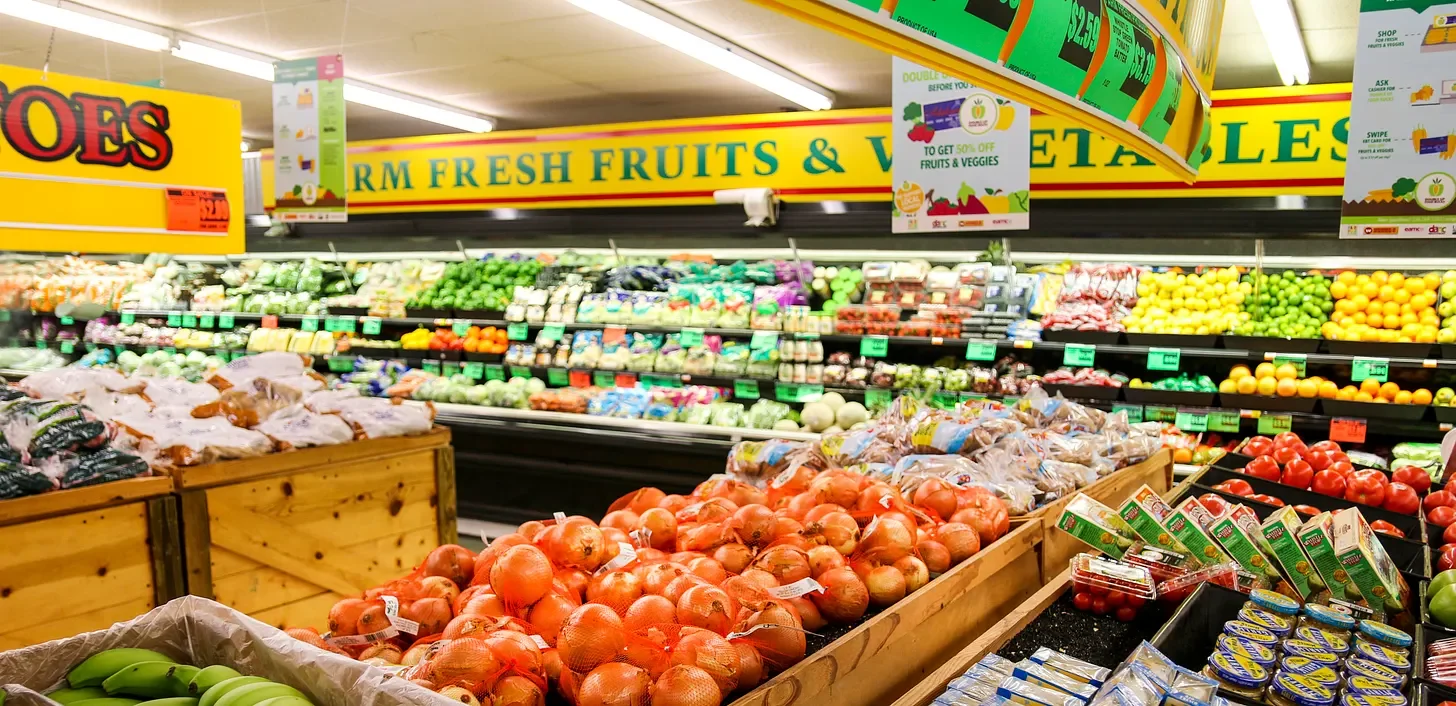
Large corporate retailers are shunning certain communities due to lower-than-desired profit margins. The practice known as “supermarket redlining” leaves an estimated 19 million Americans living in food deserts and paying high prices for unhealthy options.
For the website Inequality.org, Omar has written an article “How City-Owned Grocery Stores Can Tackle Food Insecurity,” showing that there are many examples of successful publicly-owned grocery stores in the United States.
In his article and in our interview, Omar explains how the U.S. military operates a network of publicly owned grocery stores providing high-quality goods at low prices,. Rural communities in Kansas have created successful municipally-owned supermarkets and big cities like Atlanta are already publicly funding grocery stores. There are plenty of international examples, too.
There is also a law on the books that could address the market failure and monopolistic practices in groceries that has led to food deserts. When the Robinson-Patman Act that blocks price discrimination by food wholesalers was well-enforced, small groceries were prevalent throughout the U.S. If we enforce the law once again, Omar explains, smaller and municipal grocers could thrive.
You can listen to and/or watch this episode and our past shows at our podcast channels on Apple, Spotify, and YouTube. Thank you for reading and listening!
